With the growing need to protect the Earth, how far are you willing to go?
How much more are you willing to spend? What impact do you want to leave?
Still not sure how to answer these question? Scroll down to know more.
Sustainable living is the practice of reducing your demand for natural resources by making sure that you replace what you use to the best of your ability and reduce the damage of human and environmental interactions.
Sometimes that can mean not choosing to consume a product that is made using practices that don’t promote sustainability, and sometimes it means changing how you do things so that you start becoming more of an active part of the cycle of life.
Why do we need SUSTAINABILITY?
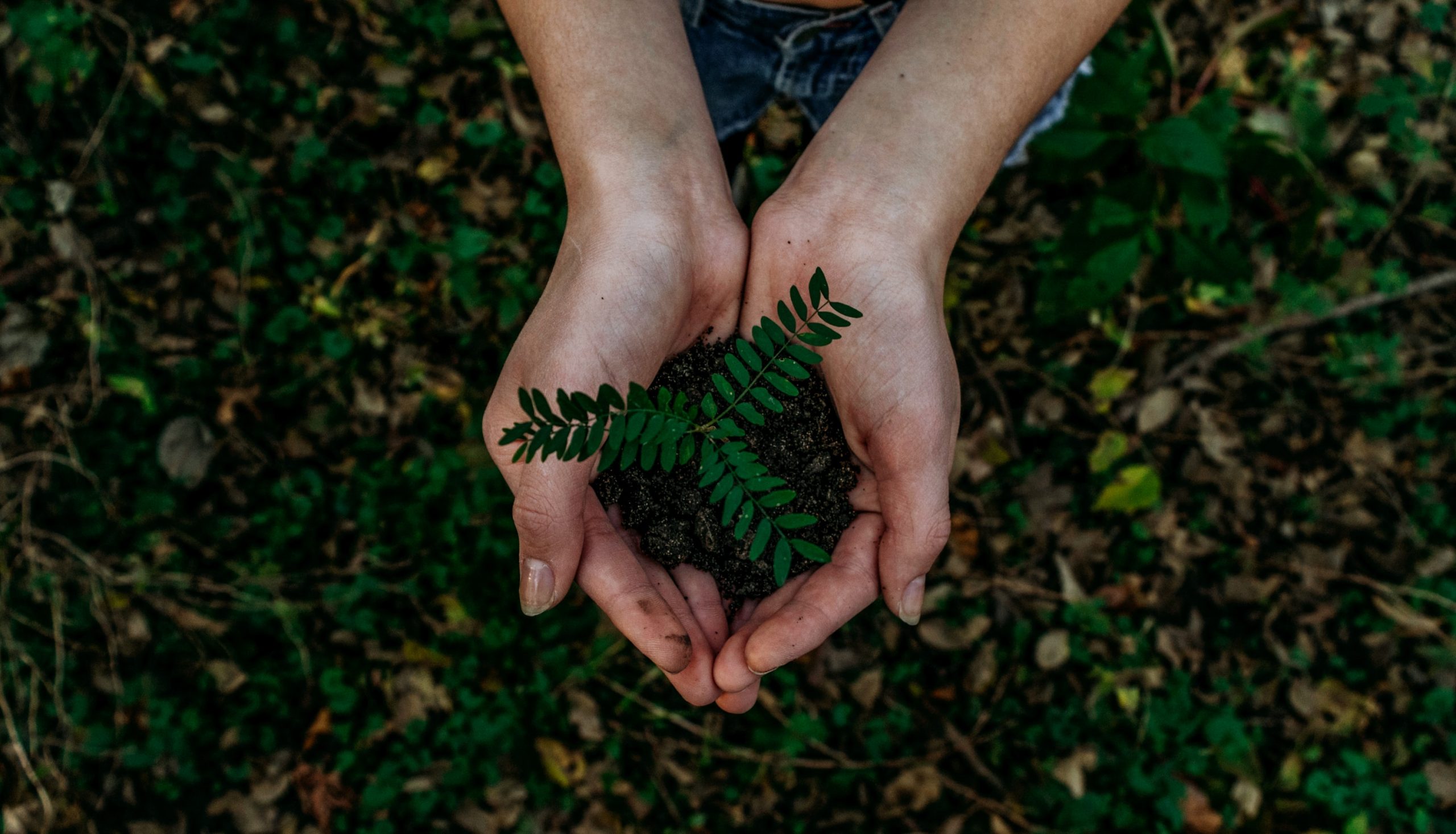
- As a species, we have become overdependent on Finite Resources like Coal.
- Increased Global warming is having harmful effects on the Health. From pollution, to the increased number of disasters in the world, peoples lives have come into greater risk.
- There is an unbelievable amount of garbage that has accumulated all over the world. This kind of garbage is expected to take decades to decompost.
- The effects can also be visible with Climate Change. Already we have seen the increase in the number of floods, hurricanes and tornadoes that are slowly destroying the Earth.
- There is a need for Economical and Societal Harmony. Sustainable Living in some part does incorporate the aspect of societal survival and wellbeing that is expected to improve Economical and Societal stability.
Which one will you choose?
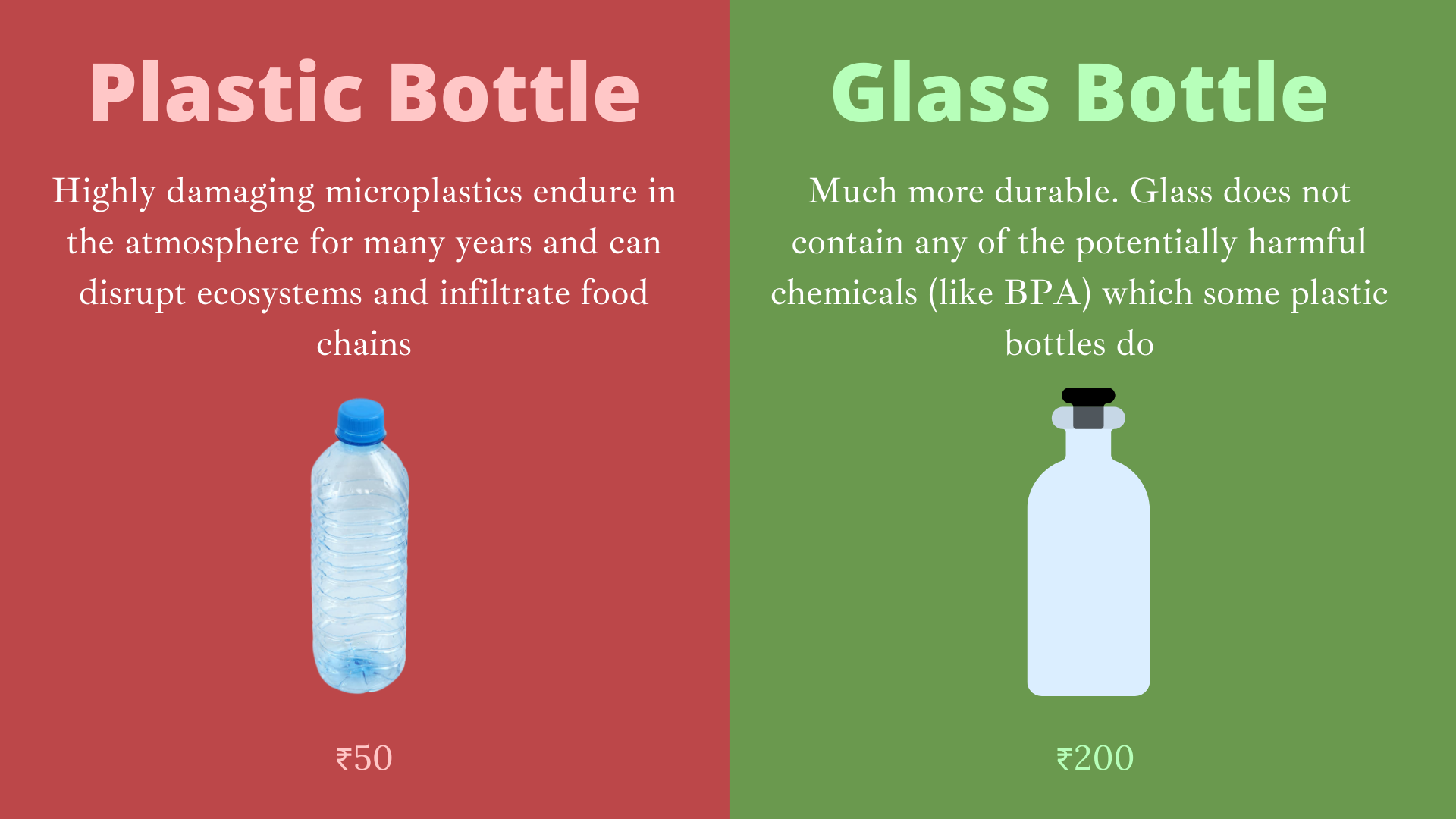
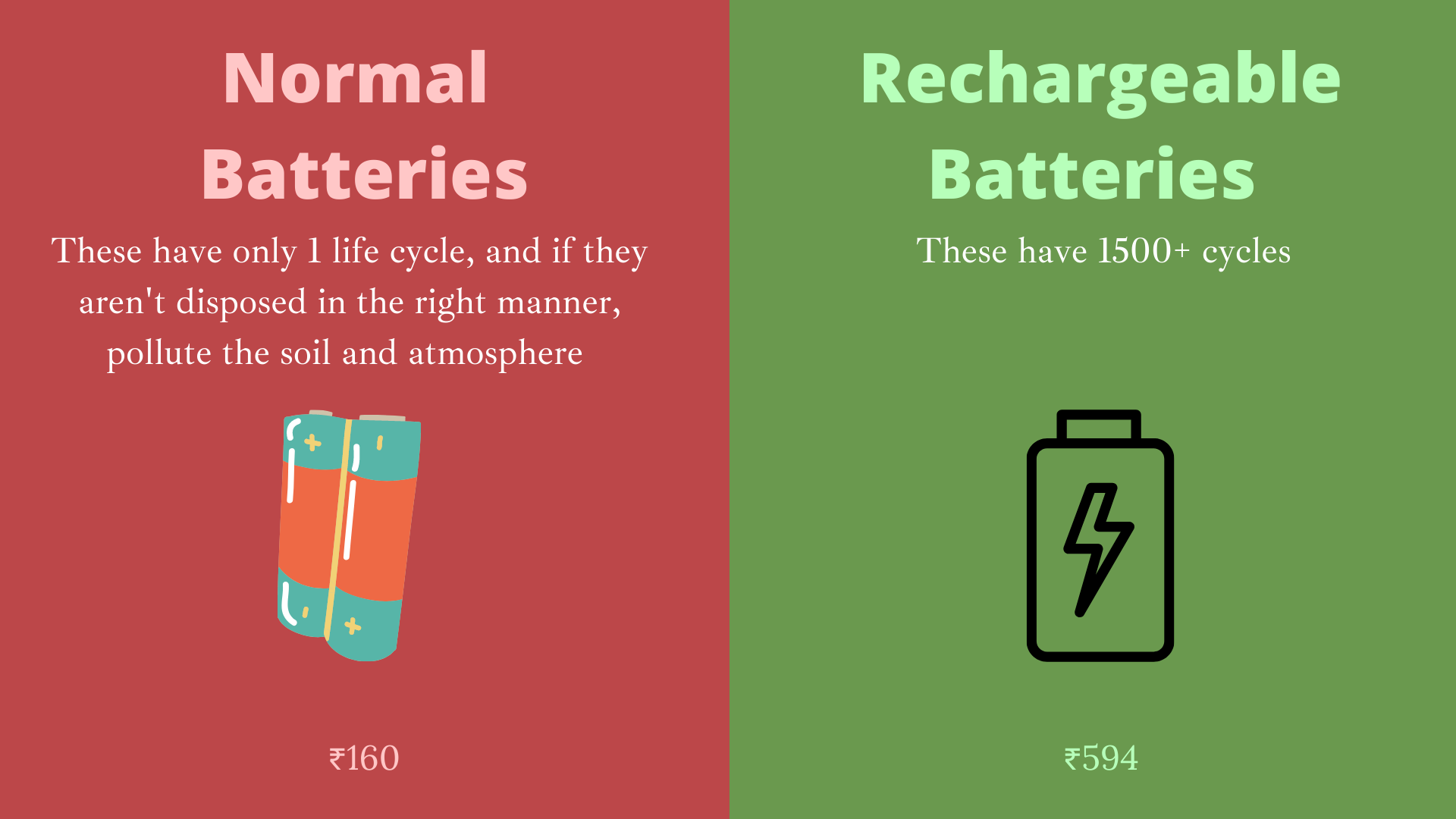
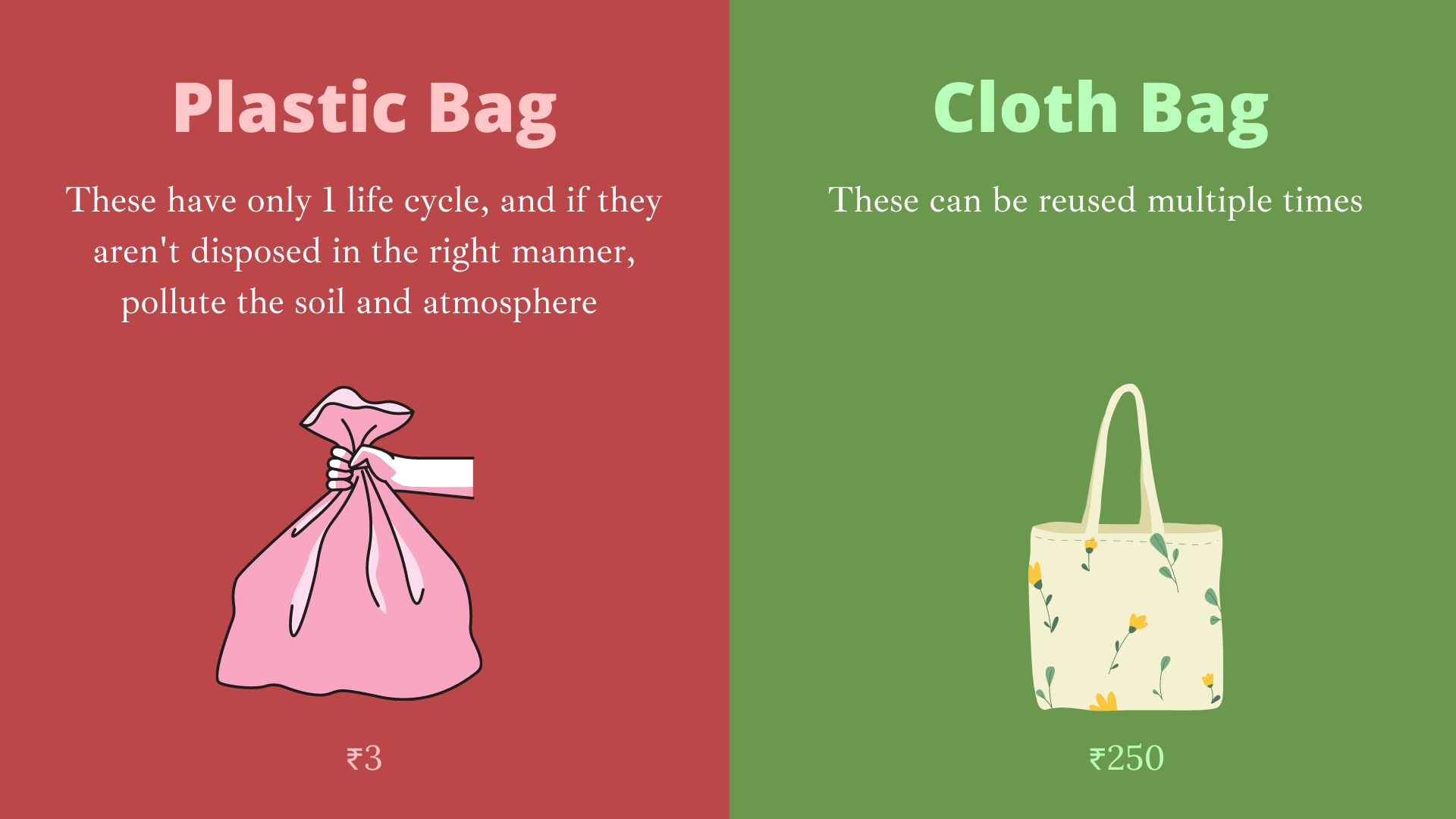
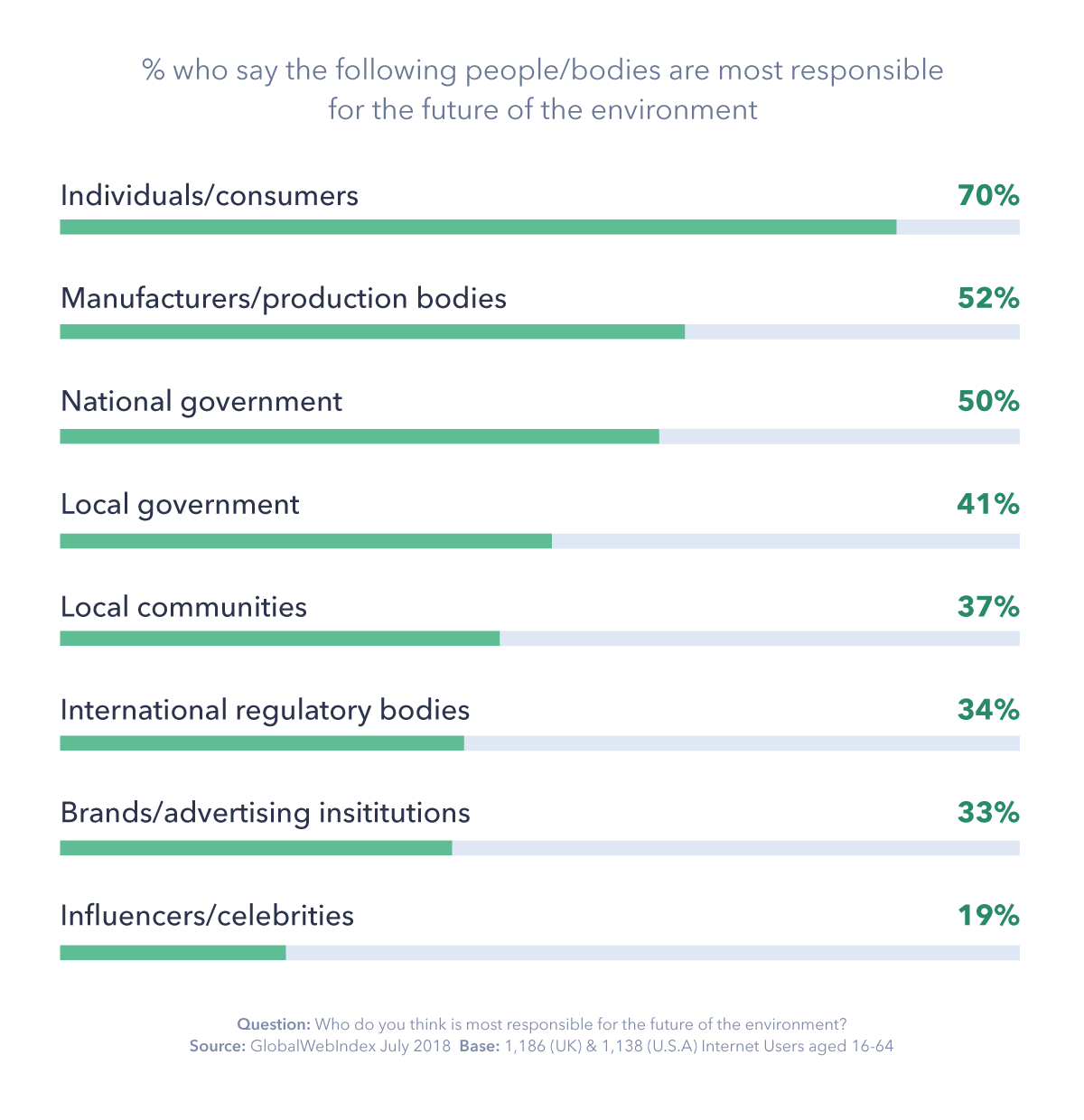
Survey Results
We conducted a survey to get opinions on how far they are willing to go to live in a more sustainable fashion. A total of 134 people responded to the survey.

Individual responsibility
It is the individuals who form the society, so it is the individuals who must lead the idea of organisational sustainability. Sustainability is a philosophy of sharing and caring. Caring for the environment, caring for nature. The people as a whole are the reason why the earth is suffering today. At times even the simplest of our needs can tarnish the environment. we as a group aren't motivated enough to get rid of such comforts if it means that it causes a slight discomfort.
Small things such as carrying a couple of groceries in a plastic bag instead of carrying them, throwing away perfectly good sheets of paper because they get accidentally marked with a pen, throwing away bottles instead of recycling them add up. In a world with a population of 7 billion, it is true that individuals alone cannot make a change all by themselves. However, they sure can make a difference in their own lives. Watching people do the right thing, at the least puts a thought in one's head and that by itself is a great achievement as it kinders the urge to follow. With a little bit of initiative, the individuals can come together and make a change on a large scale. it's the initiative as an individual that starts it all.
Five approaches for companies to consider: use social influence, shape good habits, leverage the domino effect, talk to the heart or the brain, and favour experiences over ownership.
In one recent survey 65% said they want to buy purpose-driven brands that advocate sustainability, yet only about 26% actually do so.
In a society, people are more likely to switch to more sustainable products if their neighbours or peers in the society do so. For instance, one study found that when an advocate related why he or she had installed residential solar panels, 63% more people followed suit than when the advocate had not actually installed panels. Hence, as an adopter of simple sustainable products, you have the potential to cause a ripple effect in your community, helping to spread the message of sustainable living.
The Default Option
The simplest and probably most effective approach is to make sustainable behaviour the default option. For example, researchers in Germany discovered that when green electricity was set as the default option in residential buildings, 94% of individuals stuck with it. In other cases, making green options—such as reusing towels or receiving electronic rather than paper bank statements—the default increased uptake of the more sustainable option. In full-service restaurants in California, drinks no longer come with plastic straws; customers must explicitly request one.
If it can't be reduced, reused, repaired, rebuilt, refurbished, refinished, resold, recycled, or compromised, then it should be restricted, designed or removed from production.
Ethical Consumption under Capitalism
“there is no such thing as ethical consumption under capitalism”, is a common comment that pops up whenever there is a discussion regarding sustainable living. It asks simply, is it possible to live sustainably in an unsustainable society?
The above statements stems from the idea that it is nearly impossible to spend your money in a capitalist society in a way in which nobody gets exploited. Somewhere along the supply chain, exploitation directly or indirectly happens when workers aren’t paid fairly for their labor. The economic system we operate within are overwhelmingly unsustainable.
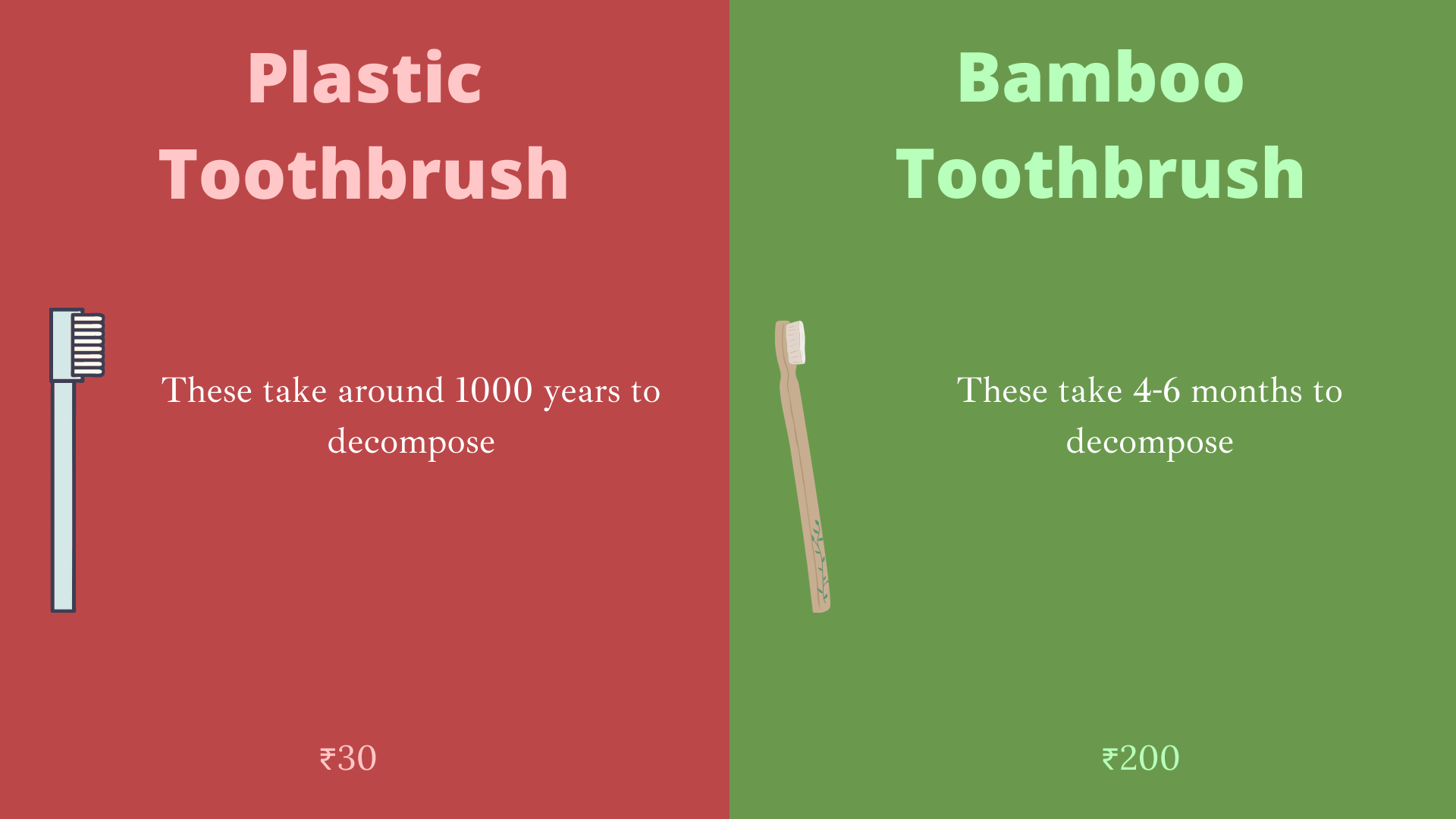
This brings us to the ultimate question - Does it really matter that I purchased a compostable toothbrush rather than a plastic one, or am I just ultimately feeding money into the unsustainable system upon which the “eco-conscious” companies rely on to function?
Fortunately, like most other unsustainable behaviours, the consumption of unsustainable vs. sustainable products is a choice. Although our purchases feed up into the larger unsustainable system, individual choices not only reduce carbon emissions per capita but also pressure industries to innovate towards sustainability. Some people feel that sustainable living is worth it anyway because it sets an example for the rest of society.
Personal Testimonials

In my house, no cloth ever goes to waste. Any piece of clothing, after it can’t be worn anymore , is used for household chores and upcycled to make a bag to carry for grocery shopping.
Anushka Singh
My family has adopted numerous techniques to Recycle and Reuse materials. Our society has made it compulsory for every household to separate the compostable waste from the rest of the waste. We have a compost machine in the building in which all of the compostable waste is dumped. In my household we also have the concept of recycling clothes. We are also in the process of adopting Solar Power in our society.


Small measures that otherwise look insignificant can collectively bring about a significant change. Right from buying to disposal, we try to incorporate habits that are good not only for us as a household, but for the environment as a whole. Let me take coffee as an example. We buy organic, fair-trade coffee; use reusable cups; use the coffee grounds as a fertiliser in the garden.

At my household, leftover water from the water purifier is used to water the plants.
Prakruti Singh
At home we try our best to contribute to the environment by taking small steps. For example, we avoid using any plastic items. Instead, we use paper bags, glass and steel bottles. Also, our entire house runs on solar, this helps us save energy!